
A Wild American Forest
 Academy Award winner Susan Sarandon narrates the remarkable, inspiring story of how a rugged pocket of America’s Pacific Northwest has endured 150 years of logging, mining, and dam-building to remain one of the largest strongholds of old-growth forest in the nation. The beautiful, scenic Klamath-Siskiyou eco-region, straddling the border between California and Oregon, is a wonderland of biodiversity and one of the world’s most important temperate forest regions. The tallest trees on earth grow here, and the greatest concentration of wild and scenic rivers in the nation tumble through the steep terrain. Filmed in more than a dozen wilderness areas and national monuments, A Wild American Forest showcases the Klamath-Siskiyou’s natural splendor and vividly illustrates why this area is recognized as a globally significant bioregion.
Like the rest of the Pacific Northwest, the Klamath-Siskiyou bears the impact of more than a century of resource extraction. Yet a remarkable set of circumstances–including topography and a landmark court ruling preserving spotted owl habitat–has left the 20,000 square-mile eco-region with more than a third of its old-growth forest intact, a higher percentage than the Pacific Northwest overall. How this happened is explored in the film with the help of those who know it well, from scientists and foresters to an economist, Native Americans, and other local residents. But what will the future bring? Only one-fourth of the area’s old-growth forest enjoys full legal protection, putting the rest of it at risk. Salmon populations are on the brink of collapse here and elsewhere on the Pacific coast. A Wild American Forest reveals how creative solutions to these problems have been set in motion in the Klamath-Siskiyou, setting a precedent for the world.
Watch the first five minutes of A Wild American Forest
Credits
Narrated by Susan Sarandon
Written and edited by Diane LaMacchia.
Cinematography by Doug Prose.
Music by Todd Boekelheide and Doug Prose.
Produced and directed by Diane LaMacchia and Doug Prose.
About the Filmmakers
Filmmakers Doug Prose and Diane LaMacchia have been collaborating for seventeen years to create award-winning television documentaries and short films about the Earth. Twelve of their shows have been broadcast on PBS and some of them internationally. Diane and Doug work for the non-profit film production company, Earth Images Foundation, based in Oakland, California. Some of their titles include Wild South, Birthplace of the Caribou, Wild Secrets of Nevada, and Nanga Parbat: Naked Mountain.
Doug Prose
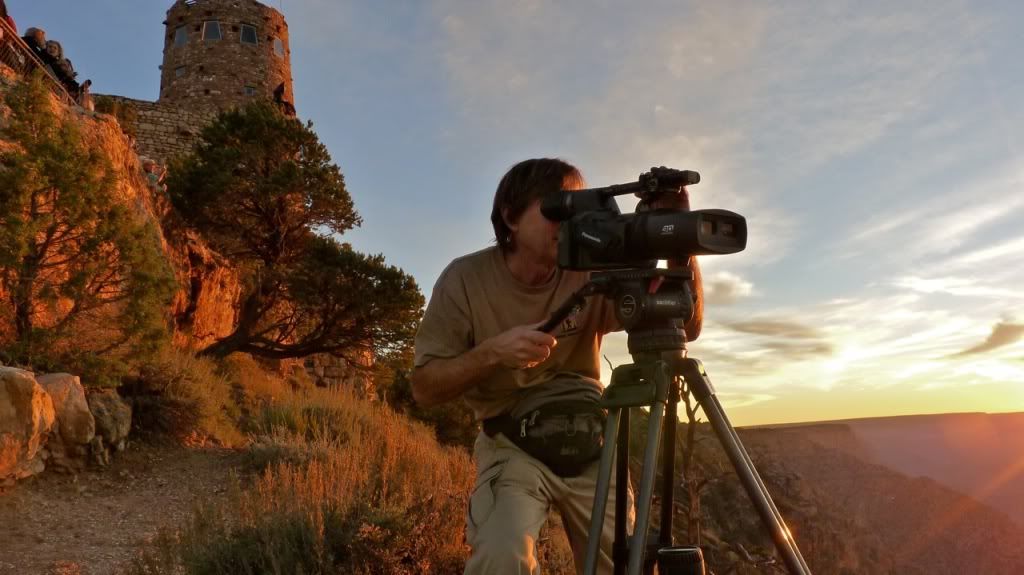 Doug began producing PBS documentaries in 1989. He was a geologist before that, studying human impacts on desert landscapes with the US Geological Survey. Doug’s passion for wilderness led him to produce films about the need to protect wild lands, and in 1992, he established Earth Images Foundation, whose mission is to produce educational films about the Earth and how people relate to it. In addition to producing and directing, Doug is the cinematographer for Earth Images. A percussionist and guitarist, he often creates and performs original music for the soundtracks.
Diane LaMacchia
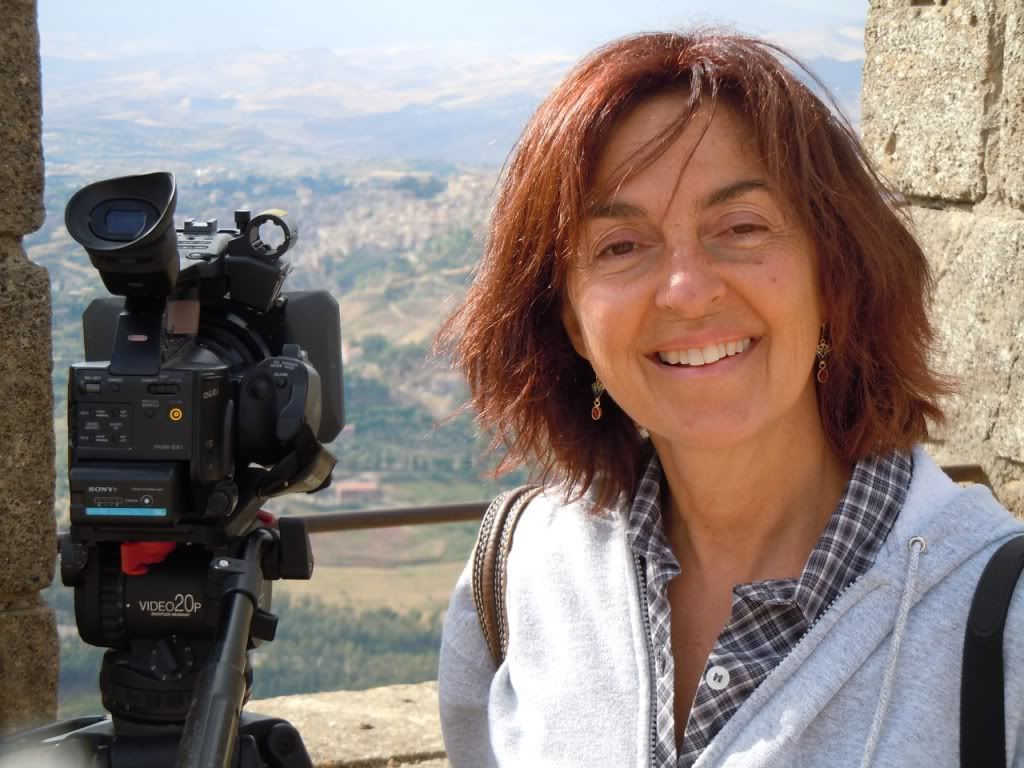 Diane began her filmmaking career in 1992 at the University of California, Berkeley, where she produced PBS science documentaries and short science films for general audiences. A world traveller from an early age, Diane enjoys exploring new places and complicated subjects and sharing her understanding with a broad public audience. She began collaborating with Doug in 1993 and became a full-time producer for Earth Images Foundation two years later. With a background in art and drama, as well as journalism and public affairs, Diane writes, produces, directs and edits Earth Images’ films.
Diane and Doug’s productions have won many prestigious awards, including those from the International Wildlife Film Festival, the International Television Awards in Chicago, CINE Golden Eagle, Earthvision Film Festival, and the Columbus International Film Festival.
 Robert Macnee, Ph.D. is Deputy Director of Resilience Services at Climate Resilience Consulting, where he helps governments, institutions, and communities reduce climate risk in equitable and practical ways. He holds a Ph.D. in Environmental Management focused on climate change impacts on health and communities, and brings over a decade of experience spanning economic development, resilience planning, and implementation.
 Samantha Medlock is President of Climate Risk Advisors, helping communities and organizations advance equity, sustainability, and resilience. Her career began chasing floods as a local official in Texas Flash Flood Alley—a hands-on experience that still shapes her approach to climate and disaster risk management.
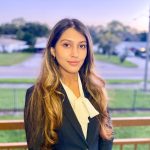 Arsum is the Senior Adaptation and Coastal Resilience Specialist for the National Wildlife Federation’s Southcentral Region. In this role, she advances climate adaptation efforts, with a focus on nature-based approaches to address the impacts of climate change and extreme events across the Gulf region. She has authored and co-authored numerous publications on climate impact assessments and adaptation solutions. Additionally, she regularly participates in state-based coastal resilience and hazard mitigation planning across the Gulf, collaborating with regional and local stakeholders.
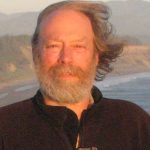 Jim is a multilingual world traveler. Based in Bavaria during the 1970s, Jim spent most of this period in India, Afghanistan and Nepal, where he founded and operated a charitable medical clinic serving Tibetan Refugees. He settled in Oregon in 1983 on a forested ranch in the Umpqua National Forest.
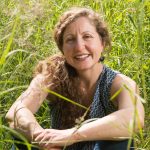 Dr. Micah Hahn is an Associate Professor of Environmental Health in the Institute for Circumpolar Health Studies at the University of Alaska-Anchorage. She received her joint PhD in Epidemiology / Environment and Resources from the University of Wisconsin-Madison and her MPH in Global Environmental Health from Emory University. Subsequently, she was a postdoctoral fellow for the CDC Climate and Health Program, and in this position worked collaboratively with the CDC Division of Vector-borne Diseases and the National Center for Atmospheric Research. Her research focuses on understanding the health impacts of climate change and working with communities to develop locally-relevant adaptation and resilience-building strategies. Dr. Hahn is also on the Management Team of the Alaska Climate Adaptation Science Center.
 Michael is a former Founding Principal of Resilient Cities Catalyst, a global non-profit helping cities and their partners tackle their toughest challenges. He is currently the Executive Director of Climate Resilience Academy at the University of Miami.
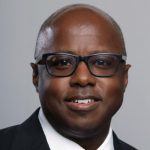 Dr. Quintus Jett is a consultant, educator, and strategist for public causes. He has a doctorate in Organizations & Management from Stanford University, and a two-decade faculty career which spans schools, departments, and programs of business, engineering, liberal studies, divinity, and public and nonprofit management. Following Hurricane Katrina in 2005, Dr. Jett launched a volunteer project in New Orleans, which enlisted residents, students from over a dozen colleges and universities, and hundreds of others to field map the city’s Gentilly district, Lower Ninth Ward, and New Orleans East. Dr. Jett is an innovator in higher education, bridging the divide between academic research and the other priorities of the modern university, including student access and diversity, community engagement, and providing foundations for life-long learning in today’s rapidly changing world.
 Scott is Monfort Professor of Atmospheric Science at Colorado State University. He has written about 100 publications in the peer-reviewed climate literature, is a former editor of the Journal of Climate, and served for five years as founding Science Chair of the North American Carbon Program.
 Linda has many years of experience in disaster preparedness and resilience. She has been an elected official on the Linn County Iowa Board of Supervisors, Chair of the Metropolitan Planning Organization, the East Central Iowa Council of Governments, the statewide Mental Health Developmental Disability and the Linn County Board of Health. Langston is a former president of the National Association of Counties (2013-2014).
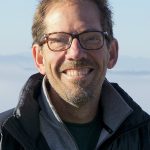 Ken works with families and organizations as a mediator, organizational consultant, trainer and facilitator. Along with his passion for helping people prepare for and reduce climate change, Ken also volunteers as a mediator through Mediation Works and is passionate about supporting youth through mentoring with Boys to Men of Southern Oregon.
 Matthew is a retired high school teacher who was once honored as Oregon High School Social Studies Teacher of the Year. Before his teaching career he was in the restaurant business in Portland. He is also a lawyer who has been a member of the Oregon State Bar Association since 1980.
 Andrea is the Resilience Policy Advisor for the North Carolina Office of Recovery and Resiliency. She works across state agencies and with local governments to increase the state’s resilience to the impacts of climate change.