
Florida: Laura Hammer
[login_form]
[/not_logged_in]
[restrict]
| Submitted | February 13, 2024 | |||||||||||||||||||||||||||||||||||||||||||||
|---|---|---|---|---|---|---|---|---|---|---|---|---|---|---|---|---|---|---|---|---|---|---|---|---|---|---|---|---|---|---|---|---|---|---|---|---|---|---|---|---|---|---|---|---|---|---|
| Name | Laura Hammer | |||||||||||||||||||||||||||||||||||||||||||||
| Organizational Affiliation | City of Fellsmere | |||||||||||||||||||||||||||||||||||||||||||||
| Title / Role | Grant Administrator | |||||||||||||||||||||||||||||||||||||||||||||
| Group Response | N/A | |||||||||||||||||||||||||||||||||||||||||||||
| Please list the names, organizational affiliations, and titles of each person represented in these responses | N/A | |||||||||||||||||||||||||||||||||||||||||||||
| What type of organization do you represent? | Government/Public Sector | |||||||||||||||||||||||||||||||||||||||||||||
| Where are you located? | Fellsmere, FL 32948 | |||||||||||||||||||||||||||||||||||||||||||||
| CDRZ ID | 12061050908 | |||||||||||||||||||||||||||||||||||||||||||||
| 1. Is your community concerned about climate change? | Future concern | |||||||||||||||||||||||||||||||||||||||||||||
| 1. Comments | (none provided) | |||||||||||||||||||||||||||||||||||||||||||||
| 2. What is your community’s level of concern about the impacts of climate change? | Moderate | |||||||||||||||||||||||||||||||||||||||||||||
| 2. Comments | (none provided) | |||||||||||||||||||||||||||||||||||||||||||||
| 3. Which climate stressors are of concern to your community? |
| |||||||||||||||||||||||||||||||||||||||||||||
| 3. Comments | (none provided) | |||||||||||||||||||||||||||||||||||||||||||||
| 4. Which climate stressors are already impacting your community? |
| |||||||||||||||||||||||||||||||||||||||||||||
| 4. Comments | Fellsmere has experienced high water levels in the town during and after heavy rains and hurricanes. Fellsmere has experienced drought conditions periodically as well. | |||||||||||||||||||||||||||||||||||||||||||||
| 5. Is the community taking action related to climate change? |
| |||||||||||||||||||||||||||||||||||||||||||||
| 5. Comments | Fellsmere has obtained grants for Hazard Mitigation and is in the process of obtaining an updated Stormwater Master Plan. | |||||||||||||||||||||||||||||||||||||||||||||
| 6. What goals does your community have for these climate change related actions? What outcomes is your community hoping to achieve? | The police station was hardened against storms in the past year, and our officers can now remain in place during hurricanes rather than moving to a remote location. The city is in the process of obtaining a stormwater master plan. The City is making efforts to mitigate high water during and after storms by making improvements to swales and creating and maintaining additional stormwater mitigation measures. | |||||||||||||||||||||||||||||||||||||||||||||
| 7. Do you feel that the members of your community working on climate change action know how to access the climate information, resources, data, and/or support needed to accomplish these goals? | No | |||||||||||||||||||||||||||||||||||||||||||||
| 7. Comments | I am not aware of City residents who are involved in working on climate change action | |||||||||||||||||||||||||||||||||||||||||||||
| 8. What are the biggest challenges that your community is already dealing with, outside of the context of climate change? |
| |||||||||||||||||||||||||||||||||||||||||||||
| 8. Comments | The City center consists of mostly dirt roads. The City does not have its own waste management plant and must funnel all waste to Indian River County. The City is in need of an upgraded microfiltration system for City water. Jobs in Fellsmere are extremely limited although we are working towards bringing more jobs into Fellsmere. There is one health clinic in town, but no other healthcare is available in Fellsmere. There are no services available in Fellsmere such as County offices, mental health support, Head Start, etc. Fellsmere is in the process of trying to obtain funds to build a community resource center to house such services. | |||||||||||||||||||||||||||||||||||||||||||||
| 9. What factors may support your community in taking action to reduce the risks of climate change? |
| |||||||||||||||||||||||||||||||||||||||||||||
| 9. Comments | (none provided) | |||||||||||||||||||||||||||||||||||||||||||||
| 10. What are the most significant barriers to building community resilience to climate change? |
| |||||||||||||||||||||||||||||||||||||||||||||
| 10. Comments | (none provided) | |||||||||||||||||||||||||||||||||||||||||||||
| 11. Were you aware that your community had one or more CDRZ designation(s)? | No | |||||||||||||||||||||||||||||||||||||||||||||
| 11. Comments | (none provided) | |||||||||||||||||||||||||||||||||||||||||||||
| 12. Do you know what a Community Disaster Resilience Zone (CDRZ) designation entails? | Yes | |||||||||||||||||||||||||||||||||||||||||||||
| 12. Comments | We have an overview of what the designation entails but would like more information | |||||||||||||||||||||||||||||||||||||||||||||
| 13. Has your community taken advantage of any CDRZ designation benefits to date? | Not yet, but intend to | |||||||||||||||||||||||||||||||||||||||||||||
| 13. Comments if No | ||||||||||||||||||||||||||||||||||||||||||||||
| 13. Comments if Yes or Unsure | ||||||||||||||||||||||||||||||||||||||||||||||
| 14. Can you envision what a climate resilience building process would look like for your community? | No | |||||||||||||||||||||||||||||||||||||||||||||
| 14. Comments | (none provided) | |||||||||||||||||||||||||||||||||||||||||||||
| 15. Have you or other members of your community received training or already gained experience in the process of building climate resilience? | No | |||||||||||||||||||||||||||||||||||||||||||||
| 15. Comments | (none provided) | |||||||||||||||||||||||||||||||||||||||||||||
| 16. Do you or other members of your community have experience including social equity in community planning efforts? | Some individuals in local government have training or experience | |||||||||||||||||||||||||||||||||||||||||||||
| 16. Comments | (none provided) | |||||||||||||||||||||||||||||||||||||||||||||
| 17. Do you or other members of your community have experience including nature-based solutions in community planning efforts? | Some individuals in local government have training or experience | |||||||||||||||||||||||||||||||||||||||||||||
| 17. Comments | (none provided) | |||||||||||||||||||||||||||||||||||||||||||||
| 18. Is your community part of a regional resilience network? | ||||||||||||||||||||||||||||||||||||||||||||||
| 18. Comments | Unsure | |||||||||||||||||||||||||||||||||||||||||||||
| Entry Notes |
 Robert Macnee, Ph.D. is Deputy Director of Resilience Services at Climate Resilience Consulting, where he helps governments, institutions, and communities reduce climate risk in equitable and practical ways. He holds a Ph.D. in Environmental Management focused on climate change impacts on health and communities, and brings over a decade of experience spanning economic development, resilience planning, and implementation.
 Samantha Medlock is President of Climate Risk Advisors, helping communities and organizations advance equity, sustainability, and resilience. Her career began chasing floods as a local official in Texas Flash Flood Alley—a hands-on experience that still shapes her approach to climate and disaster risk management.
 Jim is a multilingual world traveler. Based in Bavaria during the 1970s, Jim spent most of this period in India, Afghanistan and Nepal, where he founded and operated a charitable medical clinic serving Tibetan Refugees. He settled in Oregon in 1983 on a forested ranch in the Umpqua National Forest.
 Dr. Micah Hahn is an Associate Professor of Environmental Health in the Institute for Circumpolar Health Studies at the University of Alaska-Anchorage. She received her joint PhD in Epidemiology / Environment and Resources from the University of Wisconsin-Madison and her MPH in Global Environmental Health from Emory University. Subsequently, she was a postdoctoral fellow for the CDC Climate and Health Program, and in this position worked collaboratively with the CDC Division of Vector-borne Diseases and the National Center for Atmospheric Research. Her research focuses on understanding the health impacts of climate change and working with communities to develop locally-relevant adaptation and resilience-building strategies. Dr. Hahn is also on the Management Team of the Alaska Climate Adaptation Science Center.
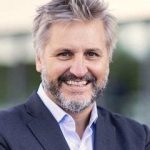 Michael is a former Founding Principal of Resilient Cities Catalyst, a global non-profit helping cities and their partners tackle their toughest challenges. He is currently the Executive Director of Climate Resilience Academy at the University of Miami.
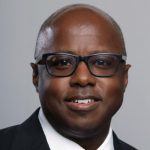 Dr. Quintus Jett is a consultant, educator, and strategist for public causes. He has a doctorate in Organizations & Management from Stanford University, and a two-decade faculty career which spans schools, departments, and programs of business, engineering, liberal studies, divinity, and public and nonprofit management. Following Hurricane Katrina in 2005, Dr. Jett launched a volunteer project in New Orleans, which enlisted residents, students from over a dozen colleges and universities, and hundreds of others to field map the city’s Gentilly district, Lower Ninth Ward, and New Orleans East. Dr. Jett is an innovator in higher education, bridging the divide between academic research and the other priorities of the modern university, including student access and diversity, community engagement, and providing foundations for life-long learning in today’s rapidly changing world.
 Scott is Monfort Professor of Atmospheric Science at Colorado State University. He has written about 100 publications in the peer-reviewed climate literature, is a former editor of the Journal of Climate, and served for five years as founding Science Chair of the North American Carbon Program.
 Linda has many years of experience in disaster preparedness and resilience. She has been an elected official on the Linn County Iowa Board of Supervisors, Chair of the Metropolitan Planning Organization, the East Central Iowa Council of Governments, the statewide Mental Health Developmental Disability and the Linn County Board of Health. Langston is a former president of the National Association of Counties (2013-2014).
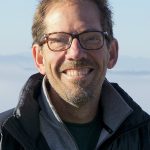 Ken works with families and organizations as a mediator, organizational consultant, trainer and facilitator. Along with his passion for helping people prepare for and reduce climate change, Ken also volunteers as a mediator through Mediation Works and is passionate about supporting youth through mentoring with Boys to Men of Southern Oregon.
 Matthew is a retired high school teacher who was once honored as Oregon High School Social Studies Teacher of the Year. Before his teaching career he was in the restaurant business in Portland. He is also a lawyer who has been a member of the Oregon State Bar Association since 1980.
 Andrea is the Resilience Policy Advisor for the North Carolina Office of Recovery and Resiliency. She works across state agencies and with local governments to increase the state’s resilience to the impacts of climate change.